
Health communication
CONTENTS
What should you eat to promote faster wound healing?
1. Introduction
The human body requires energy, protein, water, vitamins, and minerals every day, and these nutrients become especially important when a wound needs to heal. Adequate and balanced nutrition during this period helps the body recover more quickly and fight infection. If dietary intake is insufficient or unbalanced across food groups, the wound-healing process may be delayed.
In some cases, physicians may recommend additional supplements, such as vitamins, minerals, or oral nutritional products. However, these products should not be used without medical advice, as inappropriate supplementation may adversely affect health.
2. Recommended Food Pyramid
.jpg)
Figure 1. Recommended food pyramid for children aged 5 years and older, adolescents, and adults.
Foods in the red tier (the top of the food pyramid) are not essential for health and should be consumed no more than 1–2 times per week. Foods in the remaining five tiers are necessary for good health and should be consumed in a varied manner each day to maintain overall health and adequate nutrition.
Tier 1: Vegetables and fruits
- Eat a wide variety of vegetables and fruits.
- The more, the better, ideally 5–7 servings per day.
- Fresh fruit, raw vegetables, or steamed vegetables are preferred.
- If fruit juice is consumed, choose unsweetened products.
Tier 2: Whole grains, bread, potatoes, and rice
- These are the body’s main source of energy.
- They should be included in every main meal.
- Recommended intake is 3–5 or 3–7 servings per day, depending on age, sex, and physical activity level.
Tier 3: Milk, yogurt, and cheese
- These foods provide calcium and protein for strong bones and teeth.
- Low-fat or fat-free products are recommended.
- Children aged 9–12 years: 5 servings/day.
- Adolescents aged 13–18 years: 5 servings/day.
- Pregnant and breastfeeding women require a higher intake.
Tier 4: Meat, poultry, fish, eggs, legumes, and nuts
- These foods provide protein and iron.
- Choose lean meat, skinless poultry, and fish at least twice per week.
- Include eggs, legumes, and nuts regularly.
- Limit processed meats such as sausages and bacon.
Tier 5: Oils, margarine, and fats
- These are necessary, but only in small amounts.
- Prefer healthier plant oils such as olive oil, rapeseed oil, and sunflower oil.
- Limit mayonnaise and salad dressings because they are high in fat.
- Cooking methods such as steaming, boiling, baking, grilling, or light pan-searing are recommended.
Top tier: Foods high in salt, sugar, and fat
- Includes sweets, chips, soft drinks, snack foods, and sugar-sweetened beverages.
- These foods should not be consumed daily, only 1–2 times per week.
- No serving recommendation is provided because they are not essential for health.
3. Nutritional Recommendations to Support Faster Wound Healing
Energy intake
The body needs adequate energy from food to support the wound-healing process. If an individual has a normal or above-normal body weight, body weight should be maintained throughout the healing period, and intentional weight loss is not recommended. Whole grains, bread, potatoes, and rice are important sources of energy. It is recommended to consume 3–5 servings per day from this food group (the brown tier in the food pyramid).
Examples of one serving include:
- 2 slices of bread
- 1 bowl of cooked rice, pasta, or noodles
- 2 medium-sized potatoes or 4 small potatoes.
Protein
Protein plays a crucial role in wound recovery. It helps synthesize and maintain muscle mass, regenerate tissue, and support a healthy immune system. When a wound is present, protein requirements increase; therefore, protein-rich foods should be consumed daily.
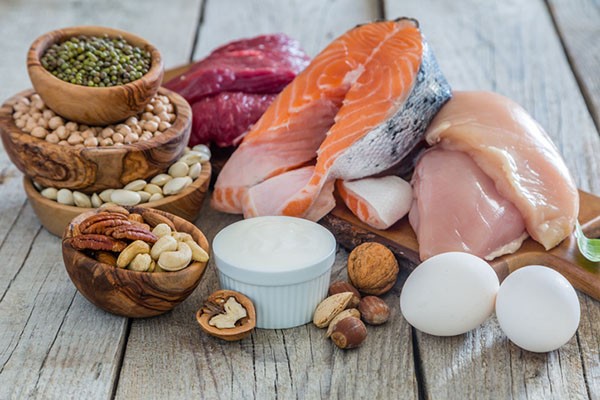
Figure 2. Examples of protein-rich foods.
To provide sufficient protein, the diet should include foods from:
- The yellow tier: meat, poultry, fish, eggs, legumes, and nuts
- The blue tier: milk, yogurt, and cheese.
Examples of one serving include:
- 50–75 g cooked meat: beef, pork, chicken, duck
- 100 g cooked fish, tofu, or soybeans
- 40 g nuts or legumes
- 2 eggs.
In addition, 3 servings per day from milk, yogurt, and cheese are recommended. Examples of one serving include:
- 1 glass of milk
- 1 cup of yogurt
- 1 bottle of drinking yogurt
- 25 g of cheese.
To ensure adequate protein intake, it is recommended to consume:
- 2 servings per day from the yellow tier
- 3 servings per day from the blue tier.
Water
Adequate daily fluid intake should be maintained, especially when a wound is present. One should not wait until feeling thirsty to drink water. Water helps transport oxygen and nutrients directly to the wound site, thereby supporting recovery.
Fluids may be obtained from water, milk, and fruit juice. Daily intake should be approximately 1.5 to 2 liters. Sugary beverages, such as carbonated soft drinks, should be limited, and sugar-free or low-calorie drinks are preferred. If fruit juice is consumed, it should be 100% fruit juice with no added sugar.
Helpful tips:
- Drink fluids between meals or after meals to avoid early satiety.
- Keep a glass or bottle of water nearby as a reminder to drink regularly.
Vegetables and fruits
Fruits and vegetables provide a wide range of vitamins and minerals that enhance immune function and support wound healing. They should be included in every meal, with a variety of types consumed in order to provide diverse nutrients.
Examples of one serving include:
- 1 medium-sized fruit: apple, orange, pear, or banana
- 2 small fruits: plums, kiwifruit, or mandarins
- Other small fruits: 6 strawberries or 10 grapes
- 1 bowl of salad: lettuce, tomato, or cucumber
- 1 bowl of homemade vegetable soup
- 150 mL unsweetened fruit juice.
4. Vitamins
Vitamin A
Vitamin A helps maintain skin integrity and plays an important role in wound healing.
Animal sources of vitamin A:
- Cheese
- Eggs
- Oily fish (such as mackerel and salmon)
- Fish liver oil
- Animal liver.
Plant sources of vitamin A:
- Deep-colored vegetables: red bell peppers, sweet potatoes, carrots
- Dark green vegetables: kale, broccoli.
-
.jpg)
Figure 3. Foods rich in vitamin A.
Vitamin C
Vitamin C plays an important role in wound healing and tissue regeneration. Vitamin C deficiency may weaken the skin, increase vulnerability to injury, and delay recovery. It should be noted that vitamin C can be lost during cooking.
Foods rich in vitamin C include:
- Oranges, lemons, and grapefruit
- Strawberries
- Kiwifruit
- Tomatoes
- Bell peppers
- Guava
- Potatoes.
5. Minerals
Iron
Red blood cells play an essential role in wound repair, and iron is required for red blood cell production.
Animal sources of iron:
- Liver
- Meat (especially red meat, which is rich in iron), poultry, and fish
- Eggs.
Plant sources of iron:
- Legumes
- Nuts
- Whole grains (such as brown rice)
- Soy flour
- Dark green leafy vegetables.
-
.jpg)
Figure 4. Foods rich in iron.
Important note:
- Vitamin C enhances iron absorption. Iron-rich foods should therefore be consumed together with vitamin C-rich foods. For example, a glass of orange juice may be taken with iron-fortified breakfast cereal.
- Tea or coffee consumed with meals may reduce dietary iron absorption.
Zinc
Zinc is an important mineral that supports faster wound healing and helps the body regenerate new tissue.
Animal sources of zinc:
- Meat and poultry
- Seafood: shrimp, clams, oysters
- Liver
- Eggs
- Dairy products such as milk, cheese, and yogurt.
Plant sources of zinc:
- Bread
- Cereals
- Legumes
- Nuts
- Whole grains such as brown rice, oatmeal, and barley.
-
.jpg)
Figure 5. Foods rich in zinc.
REFERENCES
- HSE National Wound Management Guidelines 2018 – Ireland’s national guidelines for wound management.
- The Food Pyramid | SafeFood. Safefood.
MSc. Kim Ngoc Son
MSc. Ngo Thi My Duyen
